Flood Insurance for Your Business
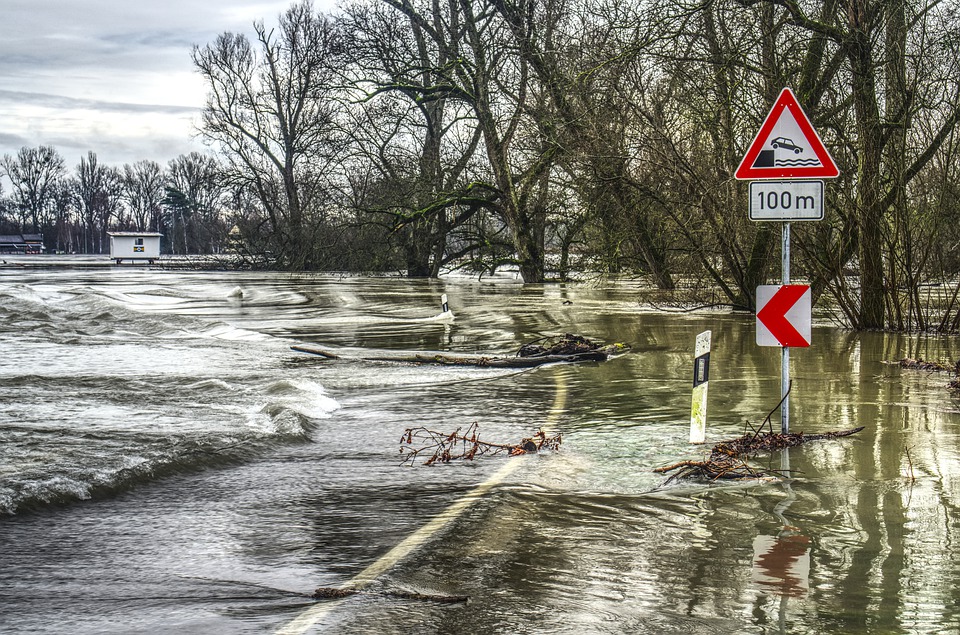 Courtesy of iii.org
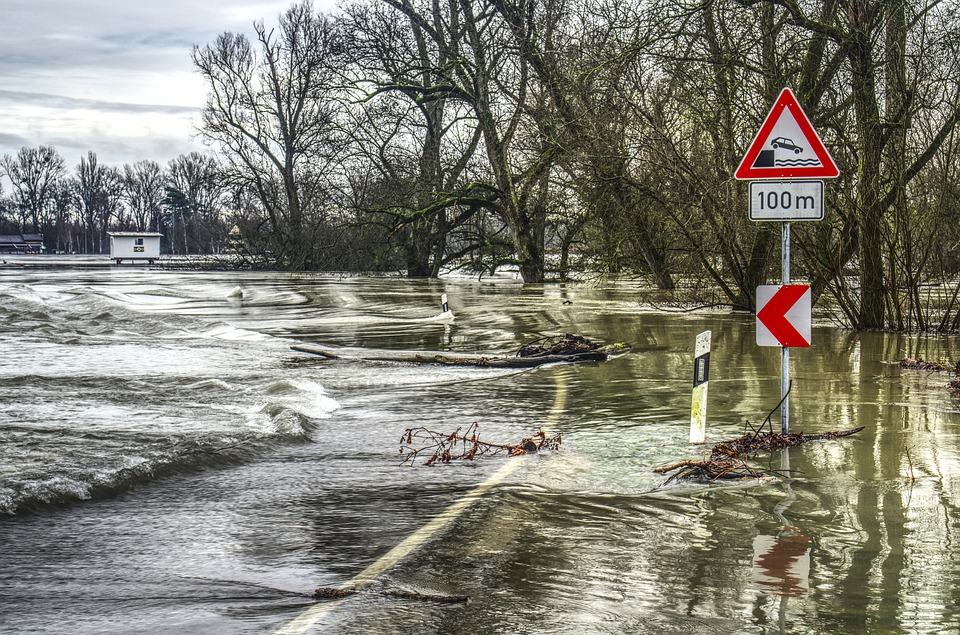
Natural disasters can be devastating to businesses. While damage caused by some types of natural events—such as lightning or wind—will usually be covered by commercial property insurance, you need a special policy if you want protection from flood damage. This Q&A will help you understand this type of coverage and determine whether your business needs it.
Frequently asked questions about flood insurance
Q. Does my commercial property insurance include flood coverage?
A. No. Damage from flooding, including flooding generated by hurricane-generated storm surge, typically is not covered under a standard commercial policy, including a Commercial Package Policy (CPP) or a Business Owners Policy (BOP). Flood insurance is available from the federal government’s National Flood Insurance Program (NFIP).
Q. What does flood insurance cover?
A. Flood insurance covers damage to your building and contents caused by flood. This includes losses resulting from water overflowing rivers or streams, heavy or prolonged rain, storm surge, snow melt, blocked storm drainage systems, broken dams or levees, or other similar causes. To be considered a flood, waters must cover at least two acres or affect two properties. Generally if water comes from above—for instance from rain or melting snow overflowing gutters and leaking onto your inventory—you’ll be covered by your standard commercial property insurance.
Q. What isn’t covered by flood insurance?
A. Property outside your building generally will not be covered. For instance, landscaping and septic systems will not be covered. In addition, flood insurance will not cover damage to your business vehicles, but this can be included in the optional “comprehensive” portion of your business vehicle insurance. Financial losses caused by business interruption or loss of use of insured property are also not covered.
Q. Do I have to purchase flood insurance?
A. If your commercial property is located in a high-risk flood area and you have a mortgage from a federally regulated or insured lender, you are required to purchase a flood insurance policy.
Q. How do I determine my risk for flood damage?
A. Location is the most important factor for weighing your risk for flood damage. Is your business located in or near a flood zone? (Flood map search tools can be found online.) In what part of the building is your businesses equipment and inventory located? Anything housed on a lower floor, for instance, will be at greater risk.
Q. Where can I purchase flood insurance?
A. Flood insurance is available from the NFIP and some private insurers. However, NFIP coverage can only be purchased through an insurance professional; you cannot buy it directly from the federal government. To find a local insurance professional who is familiar with the National Flood Insurance Program, contact the NFIP at 888-379-9531 for an agent referral.
Q. How long does it take to get flood coverage?
A. Typically, there’s a 30-day waiting period from date of purchase before your policy goes into effect.
Q. Does my flood policy cover mold?
A. Damage from mold and/or mildew resulting from the after-effects of a flood is covered, but each case is evaluated on an individual basis. Mold/mildew conditions that existed prior to a flooding event are not covered, and after a flood, the policyholder is responsible for taking reasonable and appropriate mitigation actions to eliminate mold and mildew.
Q. How much flood coverage can I get?
A. Commercial flood insurance provides up to $500,000 of coverage for your building and up to $500,000 for its contents.
Q. What if I need more coverage?
A. You can purchase what’s called excess insurance coverage to rebuild properties valued above National Flood Insurance Program (NFIP) limits. Excess coverage includes protection against business interruption.